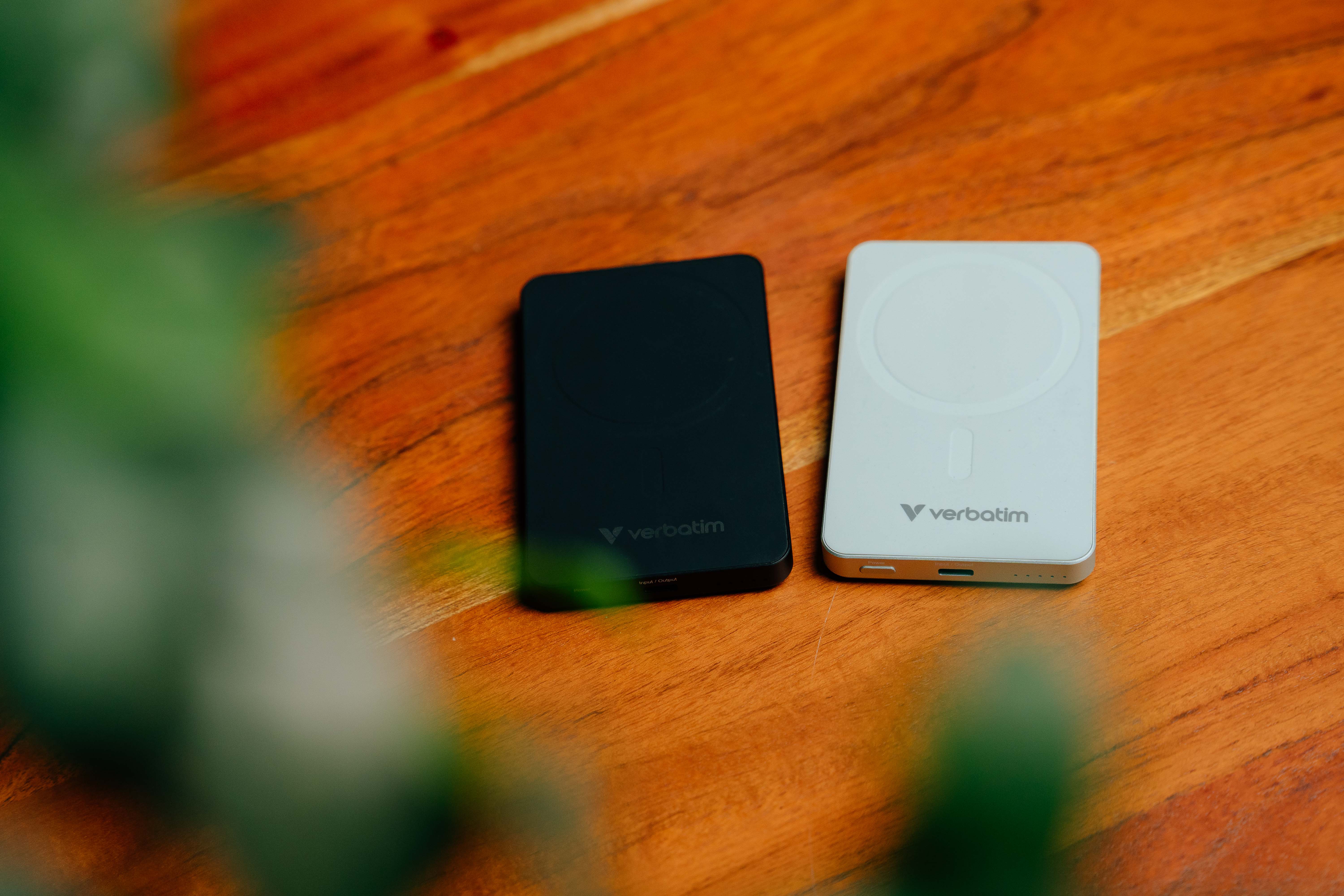
Is your power bank still in good condition?
How to Check the Condition of your Power Bank
(and dispose of it responsibly, if it’s time)
Power banks don’t come with an expiry date, and they shouldn’t be judged by age alone. Two power banks bought on the same day can age completely differently depending on how they’ve been used, charged and stored. The better question isn’t “how old is it?” but “how is it actually performing?”
Here’s how to properly check…

It’s about condition, performance and technology – not age
There’s no fixed lifespan that applies to every power bank, and we won’t pretend otherwise. What actually matters when deciding whether to keep using one comes down to three things:
- Condition: has it sustained any physical damage, been dropped, or shown any swelling or deformity?
- Performance: is it charging noticeably slower, or holding less charge than it used to?
- Technology: separately from condition and performance, is there now a meaningfully better option available, if you are in the market for something new?
An older power bank in good condition, performing as expected, isn’t automatically a problem. A newer one that’s been dropped, overheated or is behaving strangely might need attention regardless of age.
Checking condition
Have a look over your power bank for:
- Any swelling, bulging or a casing that no longer sits flat
- Visible damage to the casing, ports, or cable
- Any unusual smell, noise, or excessive heat during use or charging
Any of these is a reason to stop using it – don’t wait for it to get worse.
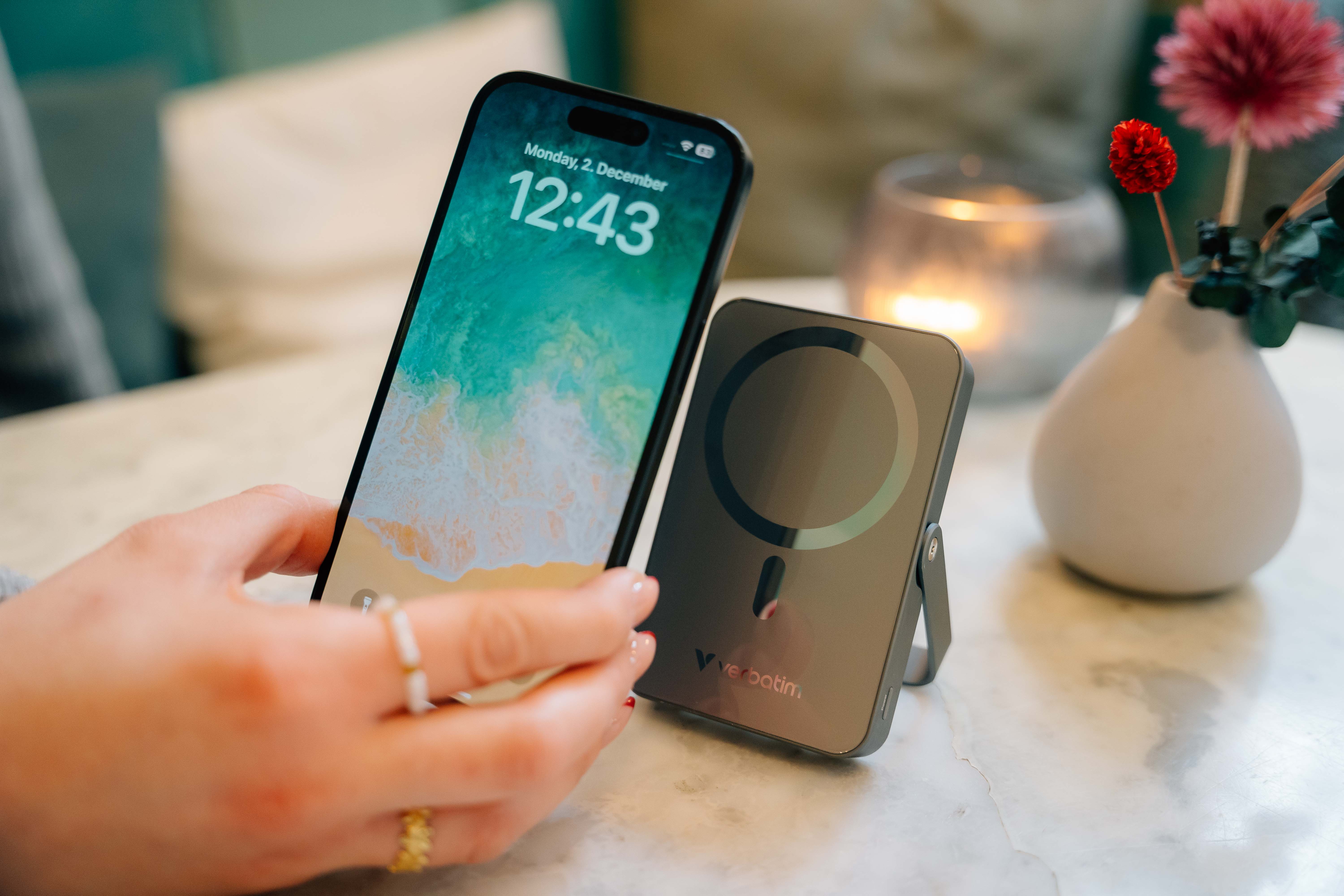
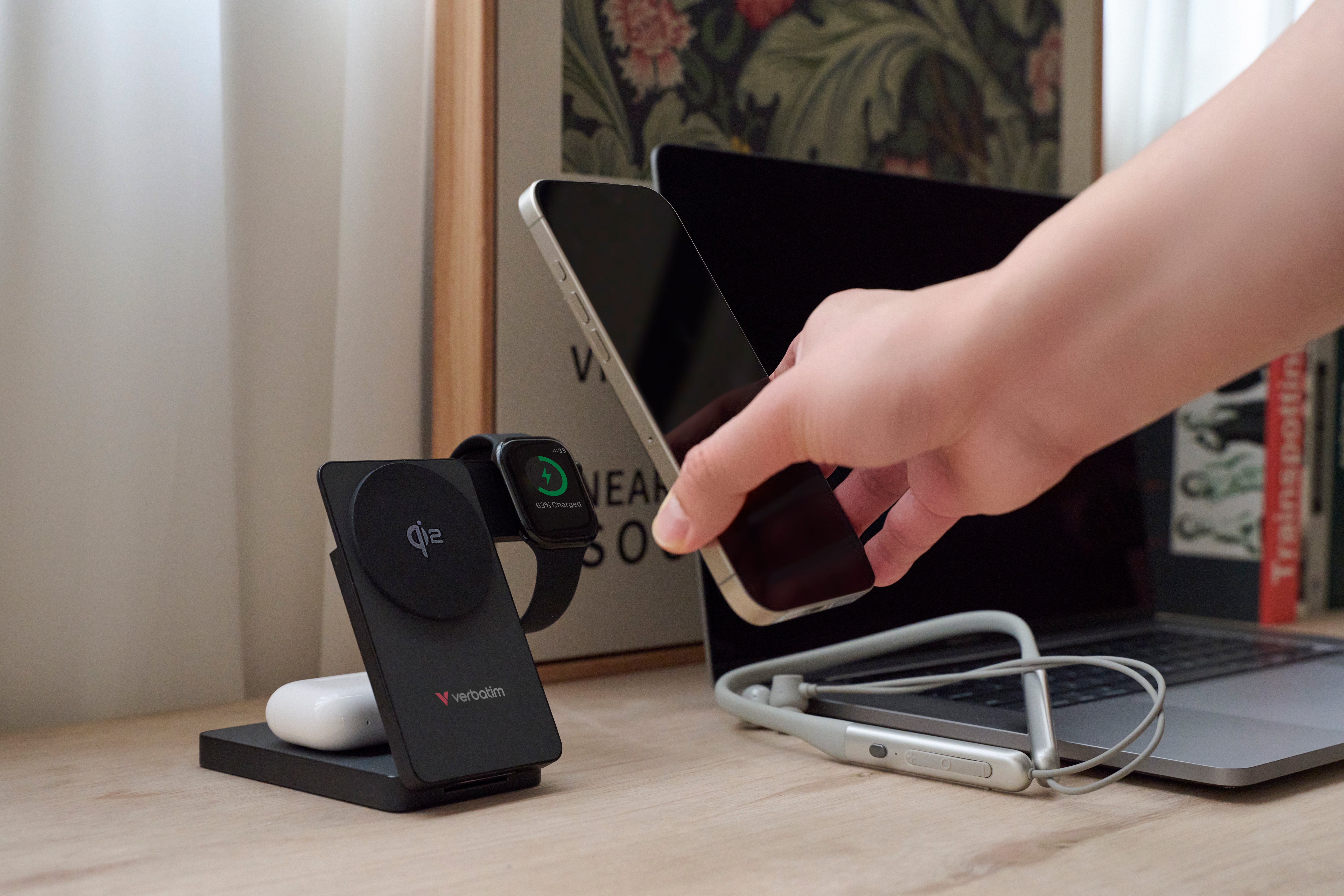
Checking performance
A few things worth noticing over normal use:
- Charging your devices more slowly than it used to
- Holding a noticeably lower charge than when it was new
- Switching off unexpectedly, or behaving inconsistently
Gradual performance decline is normal for any rechargeable battery over time. It’s a signal to keep an eye on things, not necessarily to act immediately – unless it’s paired with any of the condition warning signs above.
If you spot a warning sign: stop using it, and dispose of it responsibly
If your power bank shows any physical damage or abnormal behaviour, stop using it straight away. Don’t attempt to open, puncture, or continue charging a damaged or swollen unit.
In Australia, the right place for this is B-cycle – the official national battery stewardship scheme. A few things worth knowing:
- Never put batteries or power banks in general waste or household recycling bins – it’s a genuine fire and environmental risk
- Tape any terminals or ports with clear sticky tape before you drop it off – a simple step that reduces fire risk in transit and storage
- Take it to your nearest B-cycle accredited drop-off point – you can find one using the locator at bcycle.com.au
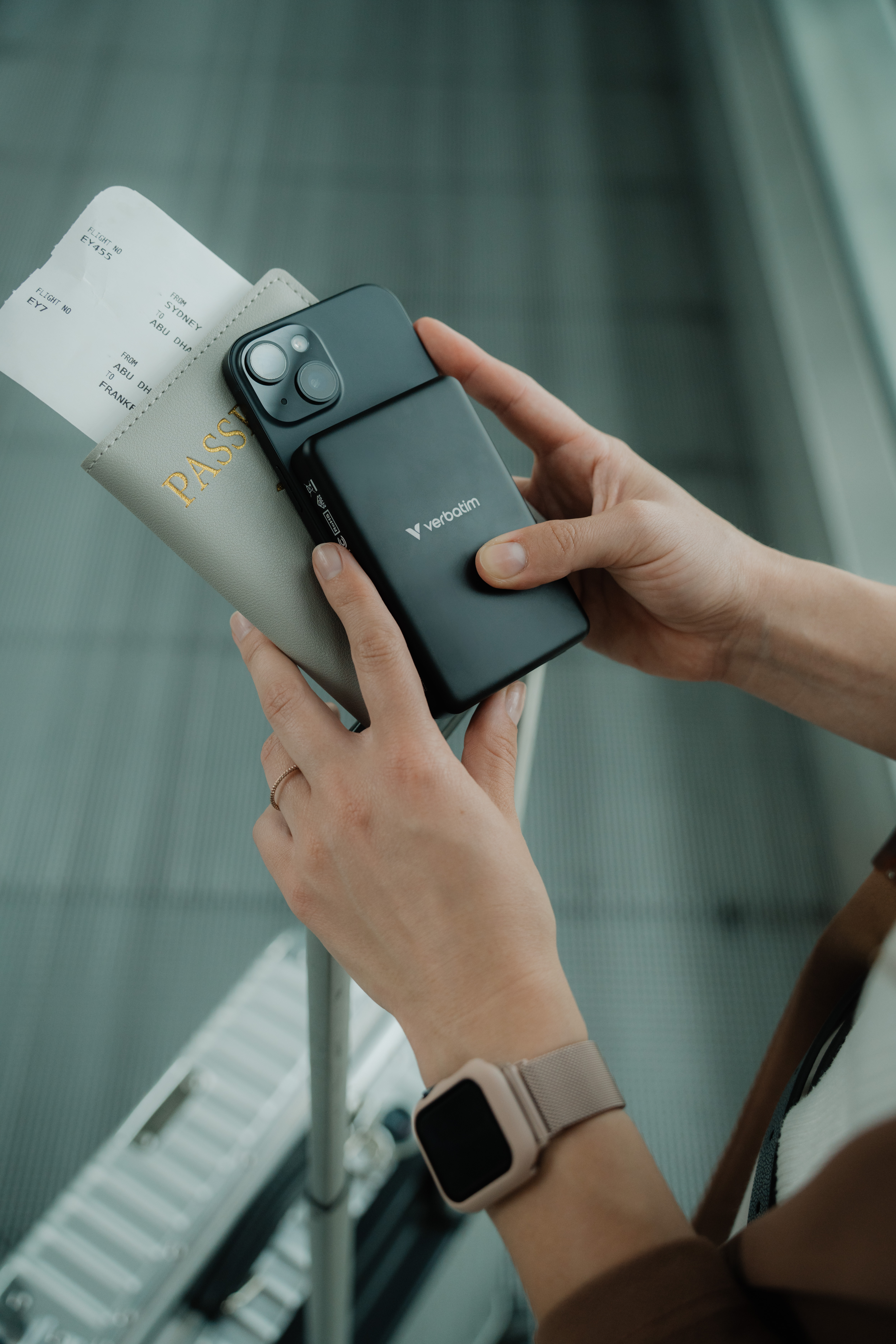
Keeping your power bank in good condition for longer
A few habits that help, regardless of what device you’re using:
- Avoid leaving it in direct heat (a hot car, direct sun) for extended periods
- Avoid letting it sit fully discharged for long periods of storage
- Use the cable and charging setup it came with, or a reputable equivalent