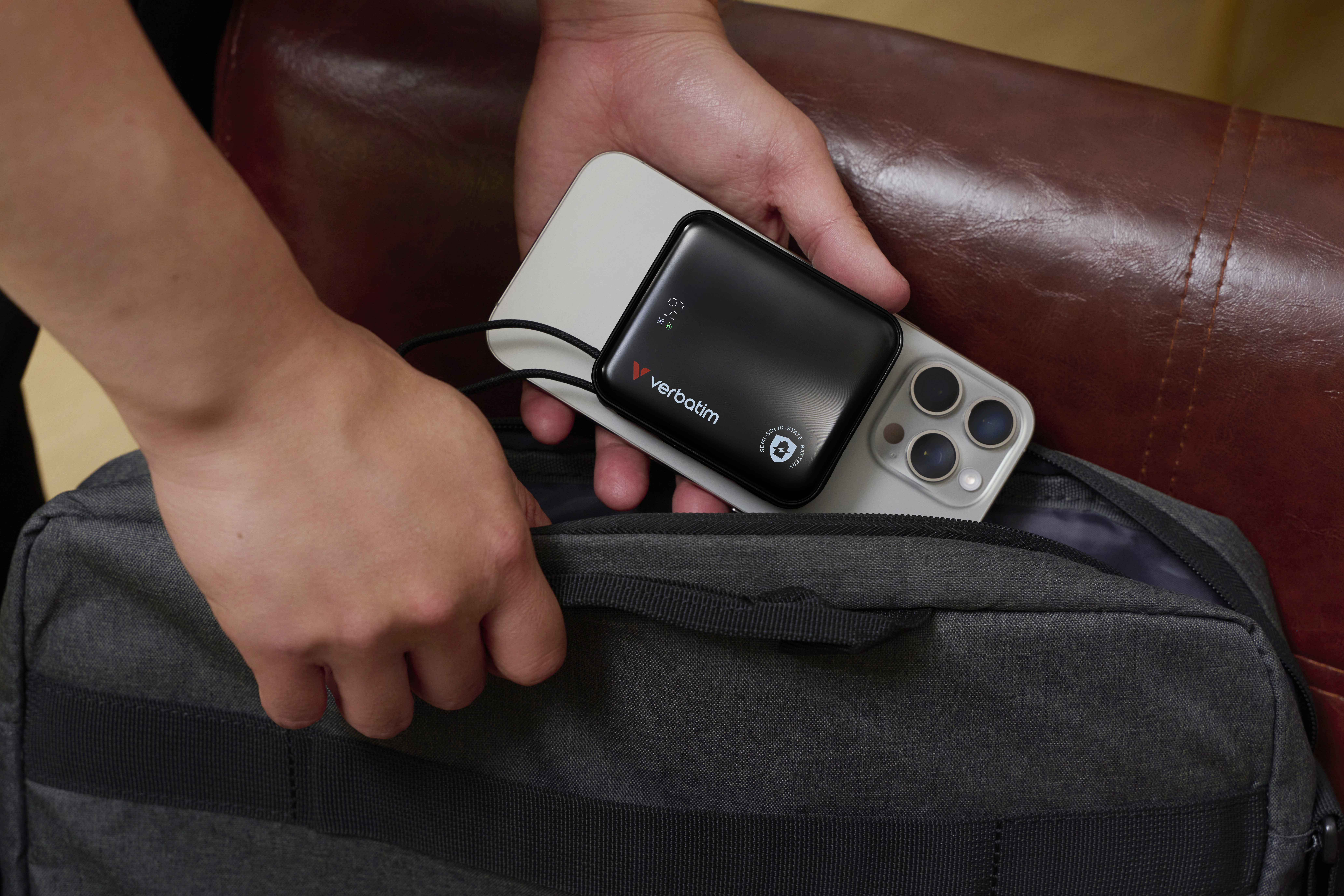
Semi-Solid-State Power Banks Explained
A semi-solid-state power bank is a portable charger with lithium battery cells that use a gel-like electrolyte instead of a free-flowing liquid. It’s still a lithium battery, but with less mobile liquid inside, which can improve stability and durability. It is not fireproof, and it isn’t the same as an all-solid-state battery.
You’ll see “semi-solid-state” on more power banks, and the term is easy to over-sell. This guide explains what it means, how it differs from standard lithium-ion, what it can and can’t do, why the capacity on the box never quite matches what your phone receives, and how to travel and care for a power bank safely in Australia.
How is semi-solid-state different from lithium-ion and solid-state?
| Lithium-ion (liquid electrolyte) | Lithium polymer | Semi-solid state | All-solid state | |
| Electrolyte | Free-flowing liquid | Gel or polymer, often with some liquid | Gel or polymer, with less free liquid | Solid |
| Cell format | Cylindrical, prismatic or pouch | Typically a flexible pouch | Varies by manufacturer | Varies |
| Shape & thickness | Rigid cells limit shape | Flexible, can be slim | Varies | Varies |
| Failure behaviour | Can overheat or swell | Pouch cells can still swell if they fail | Designed for better stability, still not fireproof | Aims to avoid liquid-related risks |
| Maturity in power banks | Widespread | Common | Emerging | Not yet common |
Lithium-polymer and semi-solid-state both use gel or polymer-type electrolytes. The difference is how much free liquid remains, and brands define the terms differently.
Why do some brands say “solid-state” when it isn’t?
“Solid-state” and “semi-solid-state” describe different electrolytes, but the terms are sometimes blurred in marketing. If a product says solid-state, check whether the electrolyte is actually fully solid. Most consumer power banks using this technology today are semi-solid-state.
What are the benefits of a semi-solid-state power bank?
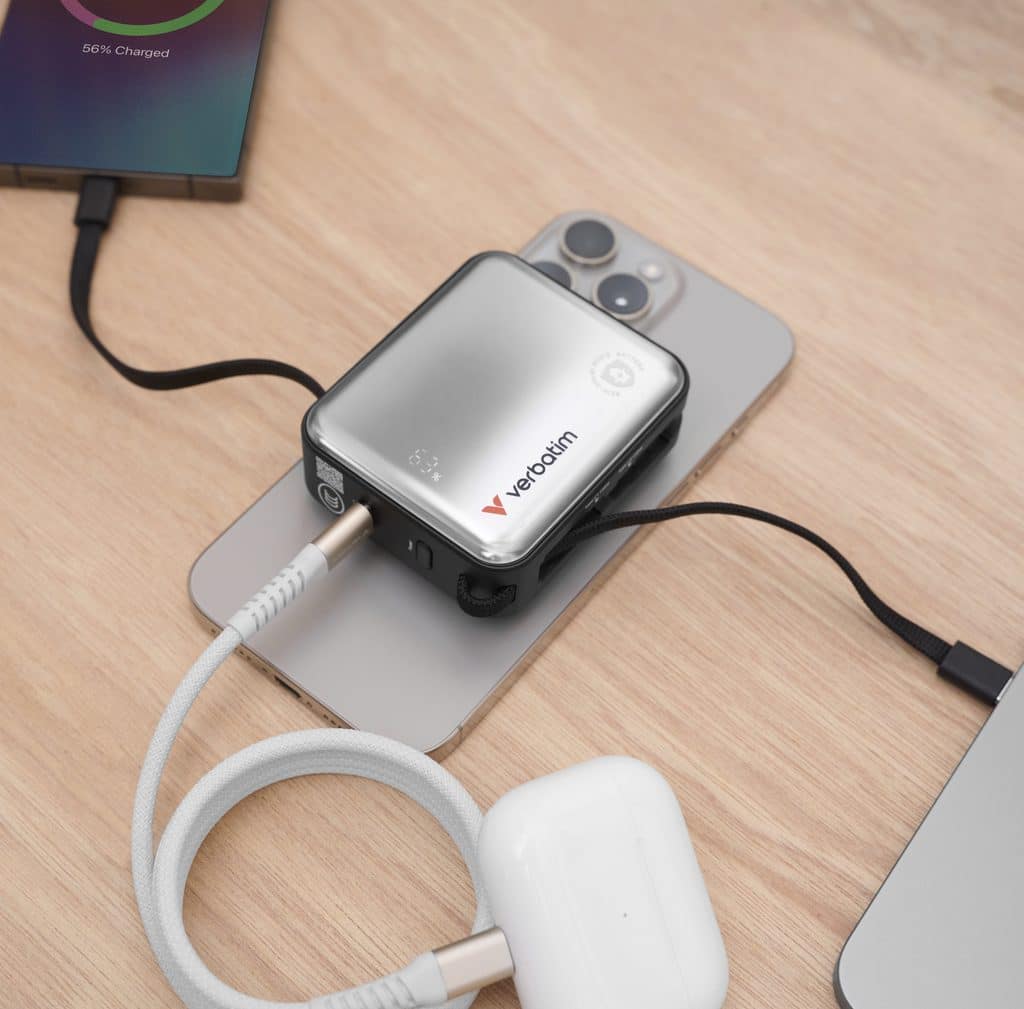
- More stable over time. A more stable internal structure can help reduce capacity loss across repeated charge cycles.
- Quicker to recharge. The cells are designed to handle higher charging currents with less performance loss, so compatible power banks can recharge faster.
- Greater resistance to physical stress. Semi-solid-state cells are generally more resistant to internal short circuits caused by deformation or damage than conventional liquid-electrolyte cells. That may help during everyday travel.
- Improved thermal stability. The design aims for better thermal stability than conventional lithium-ion designs, which can support more consistent performance under demanding charging and discharging.
Can a semi-solid-state power bank catch fire?
Yes, it still can. Semi-solid-state technology may improve some electrolyte-related safety characteristics, but it doesn’t make a power bank fireproof. Safety depends on the whole product: the cells, protection circuitry, enclosure, thermal design, manufacturing quality, certification and correct use. Internal faults, physical damage, manufacturing defects and improper charging can still cause hazards in any power bank. No power bank should be treated as risk-free.
That’s why a well-designed power bank pairs its battery with multiple protection systems, such as overcurrent, short circuit, overcharge, over-discharge and over-temperature protection, plus foreign object detection for wireless charging.
What should Australian buyers know about power bank safety?
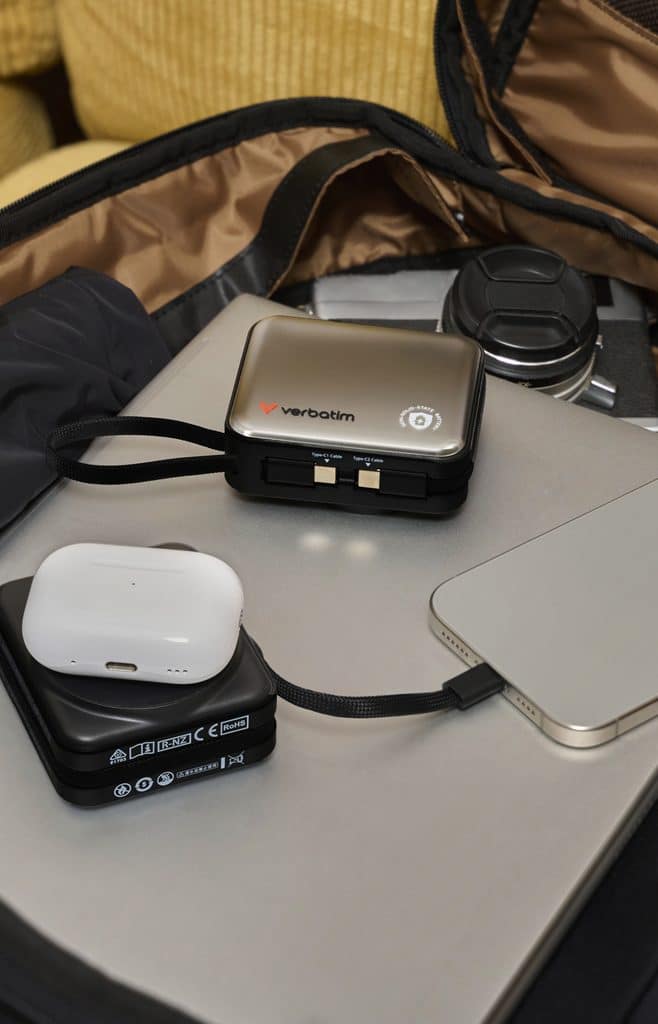
The ACCC notes there is no mandatory safety standard in Australia for products with rechargeable lithium batteries, including power banks. So it’s worth buying from a reputable brand, looking for protection features and certification, and following the manufacturer’s instructions. The ACCC’s safe-use advice includes:
- Use the charger and cables supplied for recharging.
- Charge on a non-flammable surface, not a bed, sofa or carpet.
- Let it cool before recharging.
- Store it in a cool, dry place out of direct sunlight, and don’t leave it in a parked car.
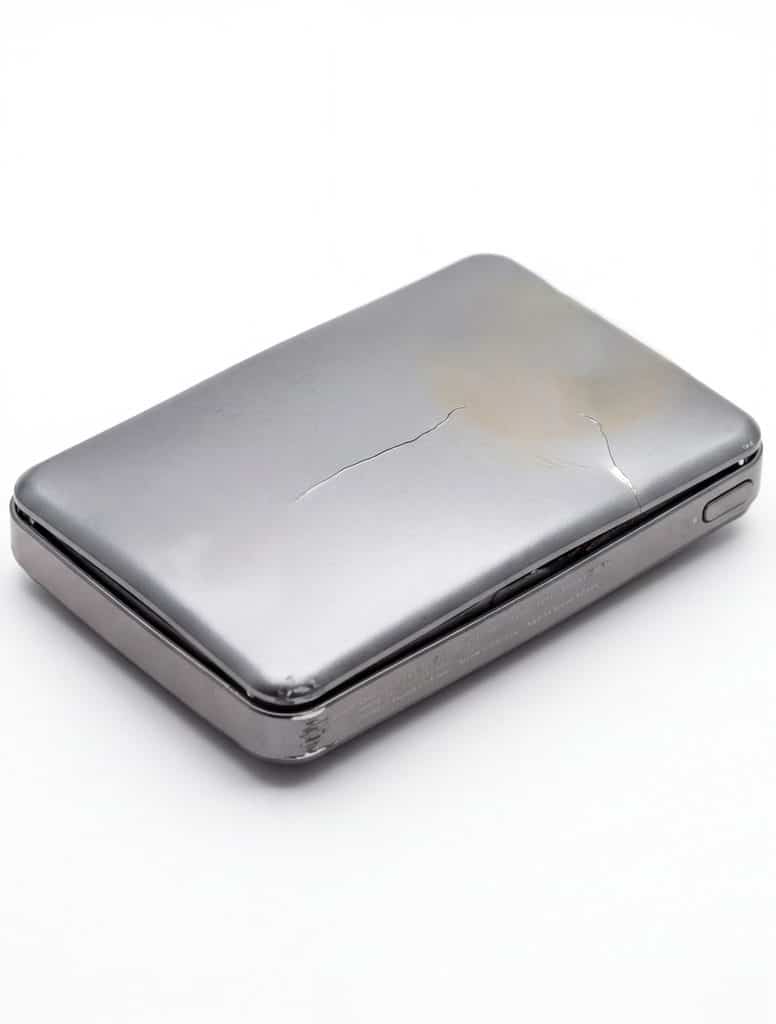
- Never use a power bank that is damaged, overheating, swelling, leaking or venting gas.
- Don’t put it in household rubbish or recycling. See our guide to checking, replacing and recycling your power bank.
Why doesn’t my phone get the full capacity on the box?
A power bank’s headline capacity, such as 10,000mAh, tells you how much energy is stored in the battery cells. It doesn’t tell you how much of that your phone will receive. Here’s why the two figures differ.
- Voltage conversion. The cells store energy at their own voltage, but your phone charges at a different one. The power bank has to convert that energy to the voltage your device needs, and some is lost as heat in the process.
- Different measuring points. Capacity is often quoted at the cell level, while a “rated” capacity reflects what the power bank can deliver at its output under set test conditions, such as a particular voltage and current. Brands may test differently, so figures aren’t always directly comparable.
- Your phone’s own losses. Your phone’s charging circuitry loses energy too, and it slows down as the battery fills.
- Heat and conditions. Warm temperatures, heavy use while charging and a battery in poor condition can all reduce what you get.
Cable vs wireless: why results differ
- Cable charging is the more efficient method. Power travels directly from the power bank to your phone, so less energy is lost along the way.
- Wireless charging transfers power through a magnetic field between two coils. It’s convenient, but less efficient: more energy is lost as heat, and any gap or misalignment between the phone and the charger adds to it. Magnetic alignment, as in Qi2, helps keep the coils in position, but wireless still typically uses more of the power bank’s stored energy than a cable would for the same amount delivered to your phone.
In practice, the same power bank will usually give you fewer phone charges wirelessly than by cable. The headline capacity isn’t wrong. It’s the maximum stored in the cells, and the amount you receive depends on the path the energy takes.
Tip: Use a cable when you need the most from your power bank, and wireless when convenience matters more.
Can I take a semi-solid-state power bank on a plane?
Yes, but the same airline rules apply as for any lithium power bank. Semi-solid-state technology doesn’t change them. For Qantas, Jetstar, QantasLink and Virgin Australia, the main rules are:
- A maximum of two power banks per passenger.
- 160Wh or below per power bank.
- Carry-on only, never checked baggage.
- No using or charging the power bank during the flight.
- Keep it accessible, such as in the seat pocket or under the seat.
An international rule from the International Civil Aviation Organization (ICAO) that applies the two-power-bank limit and the in-flight recharging ban took effect on 27 March 2026. Rules vary between airlines, so always check your airline’s current policy before you fly. Our guide to power banks on planes has the full checklist.
How to check the watt-hours: Wh = mAh × voltage ÷ 1,000. For example, a 10,000mAh power bank with a 3.85V cell is 38.5Wh. Many power banks print the Wh rating on the label.

Do semi-solid-state power banks last longer?
They’re designed for greater stability across repeated charging, which can help reduce capacity loss over time. But they still age like any lithium battery. Leaving a power bank fully charged and plugged in for weeks at a time can shorten its life. Results depend on the product, how you use it and how you store it.
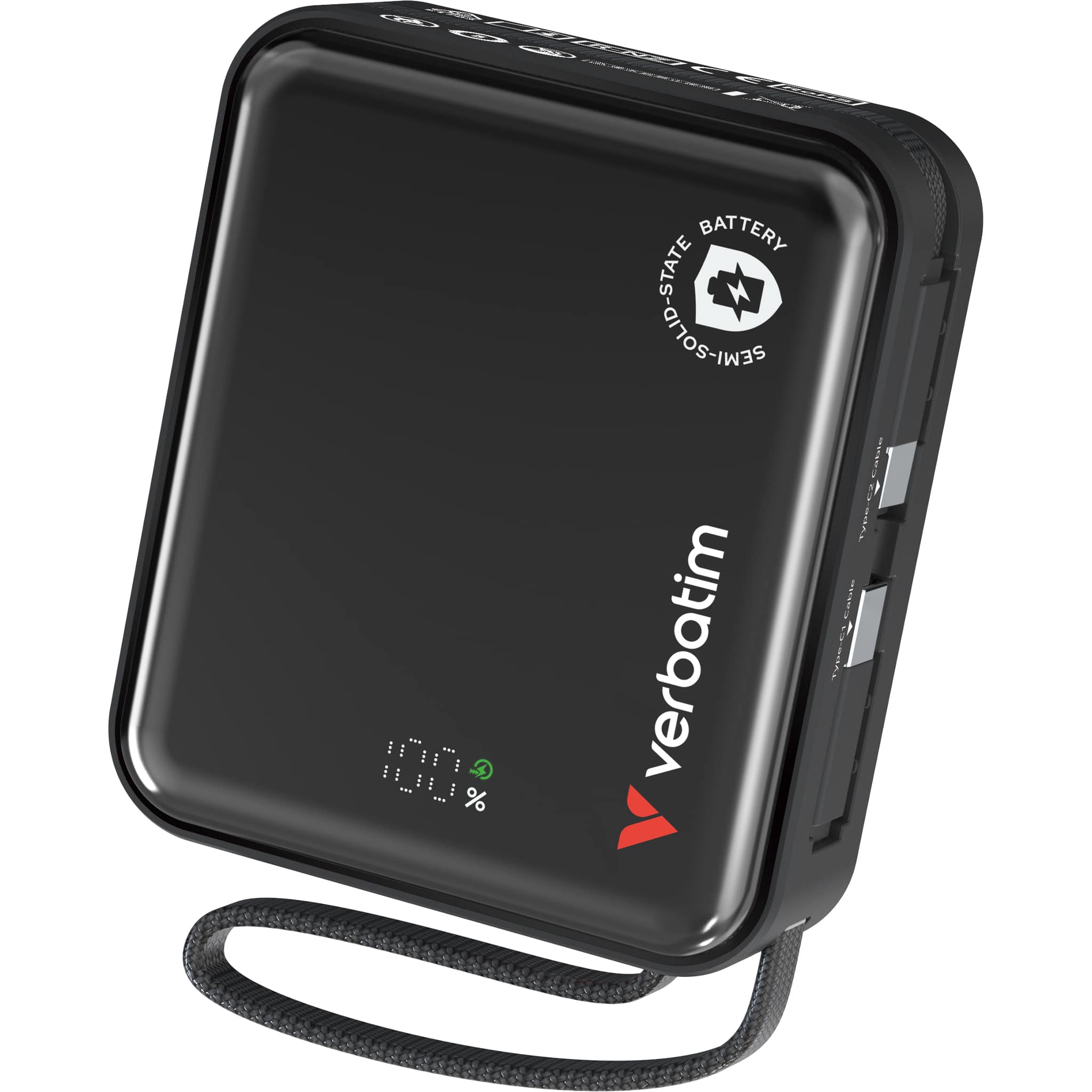
Verbatim SnapQub
Verbatim SnapQub is our first power bank built with semi-solid-state technology. It combines 10,000mAh capacity, Qi2.2 magnetic wireless charging up to 25W¹, 45W USB-C PD and two embedded cables, along with 6 protection systems.
Getting the most from your power bank
- Use it within its stated working temperature range.
- If you’re storing it, follow the storage guidance in the product manual, including how often to charge and discharge it.
- Choose certified cables and chargers.
- Stop using any power bank that is damaged, swollen, unusually hot or behaving strangely.
FAQs
It’s a portable charger whose lithium battery cells use a gel-like electrolyte that holds more of the liquid in place than a conventional lithium-ion cell does.
No. An all-solid-state battery has no liquid electrolyte. A semi-solid-state battery still contains some liquid electrolyte, held within a gel or polymer structure.
It may improve some safety characteristics, but it’s still a type of lithium-ion battery. Overall safety also depends on protection circuitry, design, manufacturing quality, certification and correct use.
Yes. It may reduce risk, but it isn’t fireproof, and no power bank should be treated as risk-free.
Yes, under the same airline rules as any lithium power bank: carry-on only, within airline limits on number and watt-hours, and no use or charging in flight. Check your airline’s current policy before you travel.
They’re designed for greater stability over repeated charging, but they still age like any lithium battery, and results vary by product and use.
The listed capacity is the energy stored in the cells. Some is lost when converting voltage, in your phone’s own charging circuitry and as heat, so the amount delivered to your device is lower.
Usually, yes. Wireless charging is less efficient than a direct cable connection, so you can expect fewer phone charges from the same power bank when charging wirelessly.